Why Am I Grieving Someone I Never Knew? Understanding Celebrity Grief, Collective Grief, and Loss
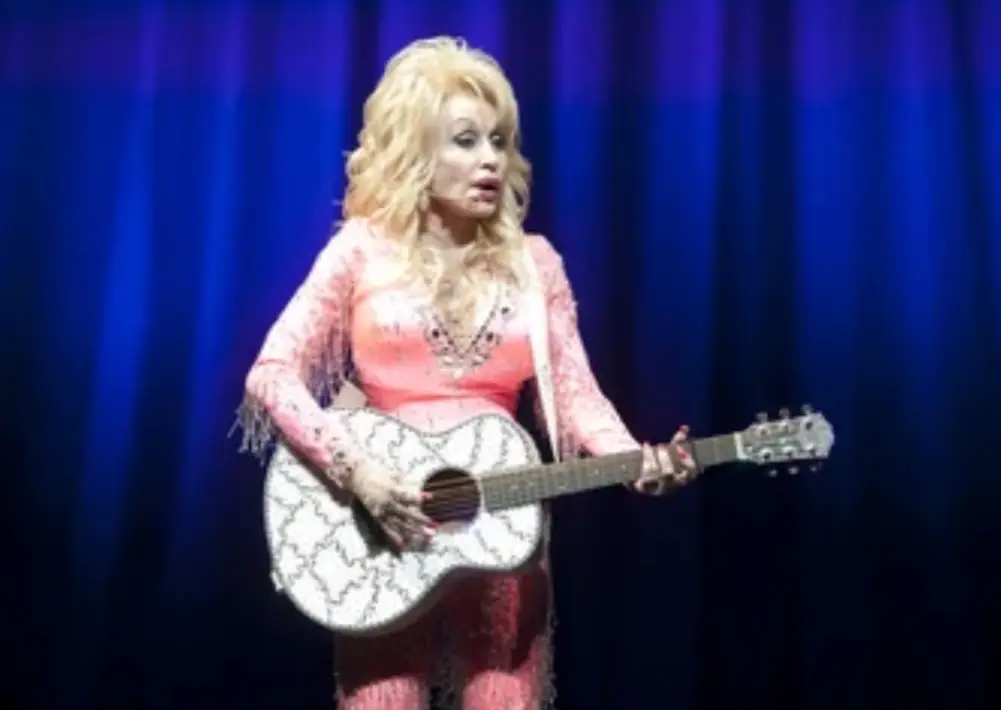
Why does grieving a celebrity or artist’s death hurt when you never knew them? Learn about parasocial grief, collective grief, memory, and finding support. And may Dolly Parton and Glen Hansard rest in music.
If you’ve been grieving the death of an artist, musician, actor, writer, or public figure and wondering why it has affected you so deeply, you may have caught yourself thinking:
“But I didn’t even know them.”
Or maybe someone even asked you that after you expressed how impacted you were.
You don’t have to personally know someone for their death to affect you.
And grief does not require a personal relationship to be real. Setting the psychology of parasocial relationships aside, there are a number of reasons why their death might hit you harder than you thought.
Maybe a musician’s song got you through the woooorst year of your life.
Maybe their music cried you through That Breakup.
Maybe you listened to them while driving across the country to start a new chapter in your life.
Maybe their lyrics helped you understand feelings you didn’t yet have words for.
Maybe an actor, writer, athlete, or public figure said something that helped you feel seen, understood, or less alone.
They may be associated with a particular time in your life. You know how a Decade Playlist can really bring you back in time? Suddenly joy swoops in and you want to start dancing or singing? Grief can be brought in the same way.
So whether it’s:
A relationship.
A road trip.
Growing up.
A heartbreak.
A Really Shitty Time in your life.
A Before or After time.
You may be surprised by how much you feel. But your grief makes sense, I promise.
Why Do We Grieve Celebrities and People We Never Met?
Sometimes we aren’t only grieving the person.
We’re grieving what their work meant to us.
Their death can represent the loss of:
- A time in our lives
- A version of ourselves
- A memory connected to their music or work
- A community or best friend we found through them
- A relationship soundtrack
- A source of comfort during a difficult time (you know that song you listened to on repeat while crying into your dog’s fur? Yeah, that one).
- Someone whose words helped us feel understood
- A feeling of connection
- A reminder of who we once were
- Something that helped us feel less alone
This type of grief can sometimes be described as parasocial grief or collective grief.
A parasocial relationship is a one-sided sense of connection with a public figure, artist, athlete, creator, or celebrity. While the person may not know us personally, their work can still become meaningful in our lives.
That connection is not shallow or imaginary.
The feelings and memories associated with their work can be very real.
When that person dies, it can activate genuine grief.
Sometimes We Are Grieving a Memory, Too
Think about a song you haven’t heard in years. Within seconds, you may be transported somewhere else. Suddenly you’re seventeen again and meeting someone for the first time before your life changed.
Or you’re sitting in your first apartment. Or you’re hanging out with someone who is no longer in your life. Or you’re remembering the person you used to be before your broken heart.
Our brains and bodies often connect music, art, movies, smells, places, and voices with powerful emotional memories.
So when an artist dies, their death can reopen memories we didn’t even realize we were carrying.
You may find yourself grieving:
The person who died.
And also:
The person you were when their work mattered most to you.
Both can be true.
Why Celebrity Deaths Can Feel Personal
Sometimes a public figure becomes woven into the emotional landscape of our lives.
They may have been:
- A familiar voice during lonely times
- Someone whose story reflected part of our own
- A symbol of hope
- A source of laughter
- A creative influence
- Someone who represented a community or identity
- A reminder that we weren’t alone
- An inspiration
For some people, an artist’s work provided comfort when they did not have access to support elsewhere.
For others, a public figure may have represented possibility.
Maybe they showed you that someone like you could exist.
Maybe they helped you imagine a different future.
Maybe their work gave language to something you had always felt.
When they die, the grief can feel surprisingly personal because the meaning was personal.
What Is Collective Grief?
Collective grief happens when many people experience loss together.
You may see it after:
- The death of a beloved musician or artist (those gatherings of everyone singing Falling Slowly after Glen Hansard died? Oof).
- The death of a public figure
- A national tragedy
- A community loss
- A natural disaster
- An act of violence
- The loss of a cultural icon
One of the unique things about collective grief is that we may witness other people feeling what we feel.
Suddenly, social media is filled with memories.
People are sharing songs.
People are hosting sing alongs.
Stories emerge.
Old interviews are replayed.
Friends text each other.
Fans gather.
And for a moment, something deeply personal becomes communal.
There can be comfort in realizing:
“I wasn’t the only one who was changed by them.”
Grief Does Not Have to Follow Traditional Rules
We often imagine grief as something that happens after losing a family member, partner, friend, or someone else we personally knew.
Those losses absolutely deserve support and space.
But grief is broader than that.
We can grieve:
- People we never met
- Places
- Communities
- Animals
- Relationships that have changed
- A future we imagined
- A former version of ourselves
- A sense of safety
- A time in our lives
- A dream that didn’t happen
There is no grief rulebook that says:
“You are only allowed to mourn people you personally knew.”
Human beings form meaning and attachment in many ways.
Sometimes the loss of a public figure touches something much deeper than the event itself.
Celebrity Death Can Activate Other Grief
Sometimes a celebrity’s death is not only about that person.
It can awaken grief that was already there.
You might suddenly remember:
- Someone else you lost
- A relationship that ended
- A parent who died
- A version of yourself you miss
- A time when life felt different
- A dream you had to let go of
Grief is rarely neat. Losses can become connected.
A song may remind you of someone who died years ago.
A public death may bring back memories of your own loss.
Sometimes our nervous systems recognize connections before our logical minds do.
You may think:
“Why am I crying so much about this?”
And later realize:
“Oh. I was also crying about this, too.”
How Trauma Can Affect Our Response to Public Loss
For people who have experienced trauma, sudden or shocking deaths can sometimes activate the nervous system in powerful ways.
News coverage, images, songs, interviews, and conversations can create reminders of previous losses or traumatic experiences.
A public death may bring up feelings of:
- Shock
- Fear
- Helplessness
- Anxiety
- Grief
- Anger
- Numbness
- Disbelief
- Injustice
Sometimes you may not consciously connect your reaction to past experiences right away.
This is where trauma-informed therapy can be helpful.
Approaches such as EMDR therapy, Deep Brain Reorienting (DBR), Internal Family Systems (IFS), and somatic therapy can help people explore grief, trauma, attachment wounds, and nervous system responses with compassion and curiosity.
There Is Something Healing About Grieving Together
Grief doesn’t always happen through words or traditional rituals.
Sometimes grief sounds like thousands of people singing a song.
Sometimes it looks like sharing stories about what someone’s work meant to you.
Sometimes it means attending a tribute.
Sometimes it means sitting quietly with an old album.
Sometimes it means watching a favorite movie again.
Sometimes healing begins with realizing:
“I wasn’t the only one who cared.”
Human beings are wired for connection.
And grief can sometimes feel a little less lonely when we don’t have to carry it alone.
Ways to Honor Someone You Never Personally Knew
If the death of an artist, celebrity, or public figure has affected you, you don’t have to minimize your feelings.
You might consider:
Listening to Their Music
Return to the songs that meant something to you.
Notice what memories come up.
You don’t have to analyze them.
Simply allow yourself to remember.
Watch Their Work Again
Revisit a movie, interview, performance, book, or piece of art that mattered to you.
Sometimes revisiting something meaningful can become its own form of ritual.
Tell Someone Why They Mattered
Share the story.
Tell a friend about the first time you heard that song.
Explain why that quote stayed with you.
Talk about what their work meant during a difficult time.
Meaning often becomes stronger when it is shared.
Connect With Community
Attend a tribute, memorial, concert, gathering, or community event.
Connection can remind us that grief is something humans have carried together for thousands of years.
Create Your Own Ritual
You might light a candle.
Write about what their work meant to you.
Make a playlist.
Look through old photographs from the time in your life when their work was important to you.
Visit a place connected to a memory.
There is no single right way to honor loss.
You Don’t Need to “Get Over” Meaningful Things
Our culture often puts pressure on people to move on quickly.
To stop crying. To stop talking about the loss. To “get over it.”
Attempts to minimize our grief might be their discomfort with their own feelings. It’s not about you.
Grief doesn’t need to be fixed.
Sometimes it needs to be witnessed.
Sometimes it’s about allowing ourselves to honor what mattered even if it doesn’t matter to someone else.
The fact that someone or something affected you is not weakness.
It is evidence of connection.
When Should You Seek Therapy for Grief?
There is no deadline for grief.
However, therapy may be helpful if grief is making it difficult to function, if it feels connected to traumatic experiences, or if a public loss has activated other painful memories.
A therapist can provide a space to explore:
- Grief and loss
- Traumatic grief
- Childhood loss
- Attachment wounds
- Unexpected or shocking deaths
- Anxiety about death
- Collective grief
- Memories connected to music or art
- Other losses that have resurfaced
Therapy doesn’t take away the meaning of the person you lost.
Sometimes therapy helps us carry that meaning differently.
Grief Therapy in Denver and Throughout Colorado
At Colorado Wildflower Counseling, I provide compassionate therapy for adults experiencing grief, loss, trauma, anxiety, relationship challenges, and major life transitions for people in Colorado including
I integrate approaches including:
- EMDR therapy
- Deep Brain Reorienting (DBR)
- Internal Family Systems (IFS)-informed therapy
- Somatic therapy
- Attachment-focused approaches
- Nervous system-informed therapy
I work with adults in Denver and throughout Colorado, including people navigating complicated grief, traumatic grief, relationship loss, and the unexpected emotions that can arise after public or collective loss.
You do not have to justify your grief before bringing it into therapy.
You don’t have to prove that someone mattered enough.
Sometimes something meaningful was lost.
Sometimes something meaningful is being remembered.
And it’s okay to honor both.
Frequently Asked Questions About Grieving Someone You Never Met
Is it normal to grieve a celebrity or public figure?
Yes. You don’t need to personally know someone for their death to affect you. An artist, musician, actor, writer, or public figure may have played a meaningful role in your life through their work, words, or cultural impact.
Why am I so sad about a celebrity dying?
You may be grieving what that person represented or what their work meant to you. Their death may also bring up memories, past relationships, previous losses, or a particular chapter of your life.
What is parasocial grief?
Parasocial grief describes grief that can occur when a person dies despite there being no direct, reciprocal relationship. People can develop meaningful emotional connections with public figures through music, movies, books, interviews, sports, or other media.
Why does music make grief feel so intense?
Music can become strongly connected with memories, relationships, places, and periods of life. Hearing a familiar song may bring back powerful emotions and memories, which can make the death of a musician or artist feel especially meaningful.
Can a celebrity death trigger other grief?
Yes. A public death can sometimes bring up memories of other people you have lost or activate unresolved grief, trauma, or fears about death and loss.
How can I cope with grief after an artist or celebrity dies?
You might listen to their music, revisit their work, talk with others who understand why they mattered, attend a community gathering, create a personal ritual, or allow yourself time to feel what comes up.
When should I seek therapy for grief?
Therapy may be helpful if grief feels overwhelming, interferes with daily life, activates trauma, or brings up other losses and painful experiences. You do not have to wait until grief becomes unbearable to seek support.
You Are Allowed to Feel What You Feel
So if you’ve been surprised by your grief after an artist, musician, actor, writer, or public figure died, you aren’t being “too sensitive” or “too emotional.” Your grief makes sense.
You aren’t required to explain why their death affected you.
Maybe their work was part of your life.
Maybe they helped you through something difficult.
Maybe their art was connected to someone you loved.
Maybe their voice became part of a memory.
Maybe something meaningful was lost.
Maybe something meaningful is being remembered.
Who is an artist or public figure whose work has been part of your life, and what did their work mean to you?
Ready to heal?
Call, text or email now to get a free consultation:
Contact – Colorado Wildflower Counseling
Therapy: EMDR IFS somatic – Colorado Wildflower Counseling
Check out my instagram here, also. Naomi-EMDR, IFS, Somatic therapist in Colorado (@coloradowildflowercounseling) • Instagram photos and videos
And my brand new Tik Tok account which is also a work in progress: Colorado Wildflower Counseling (@colorado.wildflow) | TikTok
Naomi Greenstone, LCSW is an EMDR-certified therapist in Colorado specializing in trauma, anxiety, intrusive thoughts, parenting, and attachment wounds. I love working with the nervous system using Eye Movement Densensitization and Reprocessing (EMDR), Internal Family Systems (IFS), Deep Brain Reorienting (DBR), and Somatic Integration and Processing therapy (SIP).
Virtual therapy serving Denver, Aurora, Lakewood, Boulder, Longmont, Vail, Breckenridge, Colorado Springs, Fort Collins, Grand Junction, Durango, Telluride, Centennial, Parker Westminster, Arvada, Littleton, and surrounding Colorado communities.